



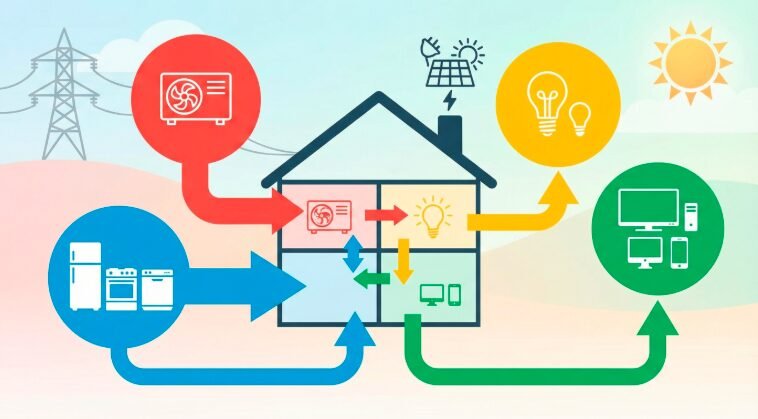
The way people use energy at home often changes once they begin paying closer attention to their everyday appliances. Many households run devices automatically without thinking about how much energy they consume or how their usage patterns affect monthly costs.
However, becoming more aware of appliance performance, efficiency, and daily habits can lead to smarter decisions. From heating systems to water solutions like an electric water heater, understanding how household equipment operates can help people create more efficient and practical routines.
The Shift From Convenience to Awareness
For many years, household energy use was mainly about convenience. People expected appliances to work whenever they needed them without considering the amount of electricity involved.
As energy costs and environmental awareness have increased, more homeowners are starting to look at how their appliances operate. They are becoming interested in questions such as whether devices are running efficiently, whether older systems are consuming unnecessary power, and how small changes can reduce waste.
This shift represents a move toward more informed household management.
Why Appliances Become a Focus Point
Appliances are one of the biggest contributors to household energy consumption. Because they are used regularly, even small improvements in efficiency can influence overall energy patterns.
Many people begin by reviewing the appliances they use most often. Heating, cooling, refrigeration, and hot water systems often receive more attention because they typically operate frequently.
Understanding how these systems work allows homeowners to make better decisions about maintenance, upgrades, and daily usage.
How Water Heating Habits Influence Energy Awareness
Hot water is an essential part of most households, but many people do not think about the energy required to heat and maintain it. Once homeowners begin tracking their energy use, water heating often becomes an area of interest.
People may start adjusting habits such as reducing unnecessary hot water use, checking system performance, or considering more efficient equipment.
These small changes can become part of a broader effort to manage household energy more effectively.
The Role of Smart Technology in Energy Decisions
Technology has made it easier for people to understand their energy habits. Smart meters, monitoring tools, and modern appliance features allow homeowners to gain more visibility into their consumption.
Instead of relying on estimates, people can see how different behaviours influence their energy use.
This information helps households identify areas where adjustments may be possible and encourages more thoughtful appliance management.
Why Older Appliances Often Get More Attention
Many homeowners begin reviewing their appliances when they notice signs of reduced performance. An appliance that takes longer to complete a task, requires frequent repairs, or appears less reliable may encourage people to explore alternatives.
Older systems may also lack the efficiency features available in newer models.
Replacing an appliance is not always the immediate solution, but understanding its condition helps homeowners make better long-term choices.
Small Behaviour Changes Can Make a Difference
Energy awareness does not always require major changes. Simple adjustments in daily routines can influence household consumption.
Examples include using appliances more efficiently, avoiding unnecessary operation, maintaining equipment properly, and understanding the settings that affect performance.
Over time, these small habits can create a more conscious approach to energy use.
The Connection Between Comfort and Efficiency
Many people assume energy efficiency means sacrificing comfort, but modern approaches focus on achieving both. Efficient appliances are designed to provide reliable performance while using energy more effectively.
This balance has encouraged more households to look for solutions that support convenience without unnecessary consumption.
The goal is not only reducing energy use but creating a home that works smarter.
Making Better Decisions About Future Upgrades
Once people understand their energy patterns, they often become more strategic about future purchases. Instead of replacing appliances based only on appearance or price, they consider factors such as efficiency, reliability, and long-term value.
This approach leads to more informed household decisions.
Final Thoughts
Paying closer attention to appliances can change the way households think about energy use. What was once automatic becomes something people actively manage and improve.
By understanding how everyday systems operate, making practical adjustments, and choosing efficient solutions when needed, homeowners can create more responsible and cost-conscious energy habits for the future.