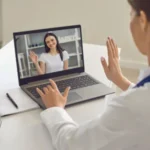




Clinical trials are vital to the development of new therapies and the advancement of medicine, but the processes involved are often complicated for both professionals and participants. As medicine evolves, so too must the strategies for communicating and teaching about these research efforts. New methods are emerging that aim to make clinical trials more accessible, understandable, and successful for broader and more diverse groups of people. For anyone seeking clinical studies to participate in, the clinical trial finder is an invaluable resource to connect patients to current opportunities.
Education is foundational in breaking down barriers to clinical trial participation and in developing a workforce that can handle the growing intricacy of contemporary studies. Researchers, clinicians, and educators are leveraging immersive training, digital innovation, and outreach to shape the next generation of medical breakthroughs. The effectiveness of these approaches is already being seen in improved retention, diversity, and satisfaction among both professionals and trial participants.
In addition to transformative technology and targeted training, ongoing efforts are being made to introduce young people to research careers, ensuring that the pipeline of talented clinical investigators remains strong. These projects are more important than ever in establishing trust and engagement between researchers and the communities they serve.
These advances are not just a matter of convenience. They have real-world impacts, such as boosting participant engagement, shortening timelines for discovery, and ultimately bringing new treatments to patients sooner. Comprehensive, thoughtful education is the bridge that connects complex science to everyday health outcomes.
The need for well-trained clinical research professionals is growing, especially in communities that have been historically underrepresented in medical research. Institutions are responding with immersive training programs that emphasize both technical skills and community-oriented perspectives. For example, the Morehouse School of Medicine’s Agile Clinical Trials (ACT) Training Program is a 16-week certificate course designed to prepare professionals to manage and lead clinical trials. By targeting individuals in underserved communities and teaching them through real-world case studies, this program creates leaders who reflect the diversity and needs of the populations they serve. The success of these immersive models highlights the value of hands-on, scenario-based learning and offers a potential blueprint for other medical schools and research institutions.
AI-Powered Patient Matching
Artificial intelligence is rapidly modernizing clinical trial operations, particularly in patient recruitment and matching. Traditionally, finding the right participants for each study has been a time-consuming and often inefficient process. The Mount Sinai Tisch Cancer Center addressed this challenge by launching PRISM, an AI-powered platform operated by Triomics’ OncoLLM. The technology efficiently matches cancer patients to suitable clinical trials, expanding access and improving equity within research populations. By automating and optimizing the matching process, PRISM not only saves time for both patients and researchers but also opens doors for many individuals who may never have learned about or qualified for trials in the past.
Early Outreach Initiatives
Investing in early education is pivotal to building a diverse clinical research workforce. The Next STEPP (Science, Technology, Engineering, and Pre-Professional Program) initiative serves as a national model for sparking high school students’ interest in clinical research. Co-led by The Ohio State University Clinical and Translational Science Institute, the four-day summer camp offers students hands-on experience in labs, workshops with researchers, and exposure to the career paths available in medicine and investigation. These outreach programs are instrumental in addressing workforce shortages and increasing diversity in clinical research. By planting seeds of curiosity at a young age, such initiatives foster the sense of belonging and excitement that is critical for sustained engagement in the field.
Digital Engagement Tools
For clinical trials to succeed, it is not enough to recruit participants; researchers must also keep them engaged and invested in the process. The Alliance for Clinical Trials in Oncology developed the Participant Engagement Portal (PEP), a web-based communication tool designed to enhance the experience of trial participants. PEP enables ongoing two-way dialogue between research teams and patients, providing trial updates, clarifying questions, and serving as a direct link to support services. This proactive approach improves participant retention, reduces drop-out rates, and also boosts the quality of data collected from each study.
In addition to specific clinical trial tools, broader technology resources such as interactive webinars, mobile health apps, and virtual visits are transforming the way information reaches trial participants and healthcare professionals. Resources from larger publication sites like the National Institutes of Health provide comprehensive guides and updates about ongoing and upcoming clinical trials, making it easier for all stakeholders to remain informed and involved.
Conclusion
Transformative educational approaches are ushering in a new era in clinical trial training and participation. Through immersive programs, integration of artificial intelligence, outreach to young students, and digital engagement tools, the clinical research field is becoming more diverse, efficient, and accessible. These innovations are not only supporting the next generation of experts but also ensuring that medical advancements reach all populations with speed and efficacy. As the landscape continues to evolve, collaboration among educators, clinicians, and technology providers will be essential to driving equity and excellence in clinical trials worldwide.