


Introduction
For many people, home is the most comfortable place to heal, recover, and live independently. Whether someone is recovering from surgery, managing a chronic condition, or simply growing older, staying at home often brings comfort that a hospital or care facility cannot match.
However, recovering or aging at home successfully requires more than good intentions. It requires the right support systems, the right professional help, and sometimes changes to the home itself. This article explores the key elements that make home based recovery and independent living possible, safe, and sustainable.
Understanding the Value of Physiotherapy Home Service
One of the most important elements of recovery is movement. Patients recovering from surgery, injury, or illness often need consistent physical therapy to regain strength, flexibility, and confidence in their bodies again.
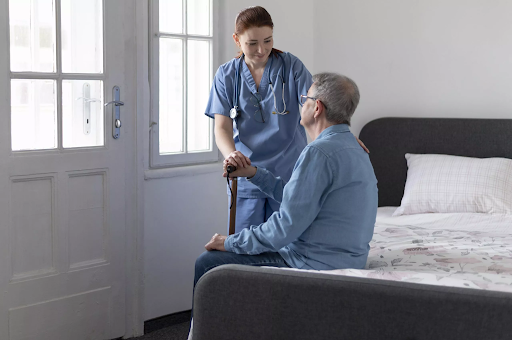
This is where a physiotherapy home service becomes valuable, as it brings professional rehabilitation support directly to the patient, removing the stress of travel and allowing therapy to take place in a familiar, comfortable setting. A trained physiotherapist can assess the patient’s living environment, tailor exercises to their specific needs, and monitor progress closely over time.
This personalized attention often leads to faster recovery, better adherence to exercise routines, and a reduced risk of complications such as falls or re-injury. For elderly patients in particular, home based physiotherapy can be the difference between a smooth recovery and a prolonged, difficult one.
The Role of Family and Caregivers
While professional support is essential, family involvement plays an equally important role in successful home recovery. Caregivers, whether family members or hired professionals, provide the daily encouragement, supervision, and emotional support that patients need.
Simple tasks such as reminding a patient to take medication, helping with daily hygiene, or assisting with mobility exercises can significantly improve outcomes. It is also important for caregivers to communicate regularly with medical professionals, so that any changes in condition are addressed quickly.
Caregiver training programs, offered by many home health agencies, can help family members learn safe lifting techniques, basic first aid, and how to recognize warning signs that require medical attention. A well supported caregiver is often just as important to recovery as the medical treatment itself.
Nutrition and Daily Routines During Recovery
Recovery is not only about physical therapy and medical care, it is also about maintaining a healthy daily routine. Proper nutrition plays a critical role in healing, as the body requires adequate protein, vitamins, and hydration to repair tissue and rebuild strength.
A balanced diet, planned with input from a healthcare provider or nutritionist, can support faster recovery and reduce the risk of complications such as infection or muscle loss. In addition to nutrition, maintaining a consistent daily schedule, including regular sleep, light activity, and mental stimulation, helps patients stay engaged and motivated throughout their recovery journey.
Establishing a predictable routine also reduces anxiety, which is common among patients adjusting to a new physical limitation or a slower pace of life.
Preparing the Home Through Home Modifications
Even with excellent medical care and a strong support system, a home environment that is not suited to a patient’s needs can slow recovery or create safety hazards. This is why home modifications are often recommended for patients recovering from surgery, injury, or those managing age related mobility challenges.
These changes can range from simple adjustments, such as installing grab bars in the bathroom and removing loose rugs, to more significant renovations like widening doorways for wheelchair access or installing ramps at entry points.
Bathrooms and staircases are typically the highest risk areas in a home, so many families choose to prioritize walk-in showers, raised toilet seats, and stair lifts. Thoughtful home modifications not only reduce the risk of falls but also promote greater independence, allowing patients to move through their living space with confidence rather than fear.
Building a Long Term Care Plan
Recovery does not always follow a straight path, and for many patients, especially older adults, care needs may evolve over time. Building a long term care plan early on can help families avoid last minute decisions during a health crisis.
This plan should include regular check-ins with healthcare providers, a clear understanding of insurance or funding options, and an honest conversation about future needs, including whether additional in-home support or assisted living may eventually be necessary. Involving the patient in these discussions, whenever possible, helps preserve their sense of control and dignity.
A well structured long term plan reduces stress for both patients and their families, ensuring that care remains consistent even as circumstances change.
Conclusion
Recovering or aging at home successfully depends on a combination of professional care, family support, healthy routines, and a safe living environment. Services that bring therapy directly into the home make rehabilitation more accessible and effective, while thoughtful adjustments to the living space help prevent accidents and support independence.
When combined with proper nutrition, consistent routines, and a clear long term care plan, these elements create a strong foundation for recovery and long term wellbeing. With the right preparation and support, home can remain not just a place to live, but a place to truly heal.