



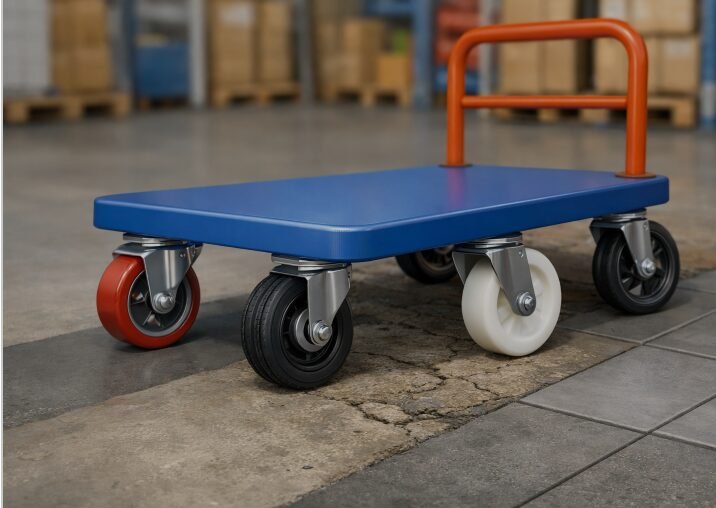
Efficient movement of heavy machinery and equipment is essential in any industrial environment. Choosing suitable casters not only boosts productivity but also helps protect floors, lower long-term maintenance expenses, and improve overall safety. Selecting components like stainless steel caster wheels can be a strategic investment, especially in demanding or specialized conditions.
Making the right decision about casters involves careful consideration of several factors. The facility’s floor conditions, the weights to be managed, and the environment all play decisive roles. When each aspect is appropriately addressed, organizations benefit from worry-free equipment mobility and fewer operational setbacks.
Industrial settings can present unpredictable challenges. By matching your caster selection to equipment requirements and working conditions, you minimize downtime and maximize both efficiency and safety. These advantages result in improved workflows, reduced accident risk, and better asset lifespan.
Whether you are replacing worn-out components or outfitting new equipment, focusing on load capacity, wheel materials, and maintenance is crucial. From factory floors to warehouse aisles, the right casters can transform equipment handling, making daily operations noticeably smoother.
Understanding Load Capacity
The first consideration is ensuring the casters can bear the equipment’s full weight, plus any probable overloads. Calculate the equipment’s base weight and add anything that might be loaded onto it during use. Experts recommend including a minimum safety buffer, usually about 30 percent, to account for uneven loading or sudden shifts. For example, when an item weighs 2,000 pounds and uses four casters, each caster should be rated for at least 650 pounds to ensure stability and prevent failure.
When evaluating options, keep both static and dynamic loads in mind. Static load refers to the weight when the cart or equipment is stationary. Dynamic load reflects the forces during movement, including impacts and sudden changes in direction. Failure to plan for these scenarios can lead to worn casters, property damage, or workplace injuries.
Selecting Appropriate Wheel Materials
Wheel composition is another critical selection factor that influences durability, maneuverability, and floor protection. Several materials dominate industrial applications:
- Polyurethane: Effective for concrete or tile flooring. It provides good protection for floor surfaces, resists many chemicals, and supports moderate to heavy loads.
- Nylon: Chosen for its durability and high weight capacity. Ideal for hard, even surfaces in environments where abrasion resistance matters.
- Rubber: Works best on hard floors, offering shock absorption and quieter operation. Rubber wheels are particularly useful for environments that prioritize noise reduction.
- Cast Iron: Best for rough or uneven surfaces that require toughness. These wheels handle the heaviest loads but may be harsh on delicate floors.
Matching wheel material to your specific application yields better performance and extends caster service life. Polyurethane and rubber are common picks for preserving floor quality, while cast iron and nylon deliver rugged strength in harsher conditions.
Considering Floor Conditions
The condition and material of the floor directly affect caster performance. Smooth, well-maintained floors pair well with harder wheels, such as polyurethane or nylon. In contrast, uneven, debris-laden, or aging floors benefit from larger wheels or softer compounds, such as rubber, which can absorb vibrations and provide smoother rolling. Choosing the right caster for your flooring protects both the wheels and the surface itself, reducing repair and early replacement costs.
Regular cleaning and maintenance, along with repairs, help prolong the life of both the flooring and the casters. If your facility includes multiple surface types, consider dual-wheel casters or multi-purpose treads to effectively accommodate each area.
Accounting for Environmental Factors
Casters can be affected by environmental elements such as temperature swings, humidity, exposure to water, and contact with aggressive cleaning chemicals or solvents. High temperatures demand heat-resistant wheels, while cold environments require materials that remain flexible and do not become brittle. For damp or wet locations, or where chemicals are prevalent, stainless steel and specially designed synthetic compounds protect against corrosion and breakdown. Consulting product specifications helps ensure your chosen casters are suitable for the environment.
Failure to properly spec casters for the environment may result in accelerated wear, sudden failure, or hazardous conditions, so always verify compatibility before purchasing.
Maintenance and Safety Practices
The final aspect of ensuring reliable, safe caster operation is consistent maintenance. Regular inspections should address wheel tread wear, secure attachments, and lubrication of moving parts. Timely repairs and replacement of worn casters significantly reduce the risk of equipment tipping, jamming, or damaging flooring. Basic maintenance checks can be added to standard workplace safety routines to ensure nothing is overlooked.
Proper use of caster features, such as wheel brakes and directional locks, can improve stability, especially during loading, unloading, or stationary work. Employee training on safe caster operation and maintenance extends component life and helps prevent avoidable workplace accidents.