



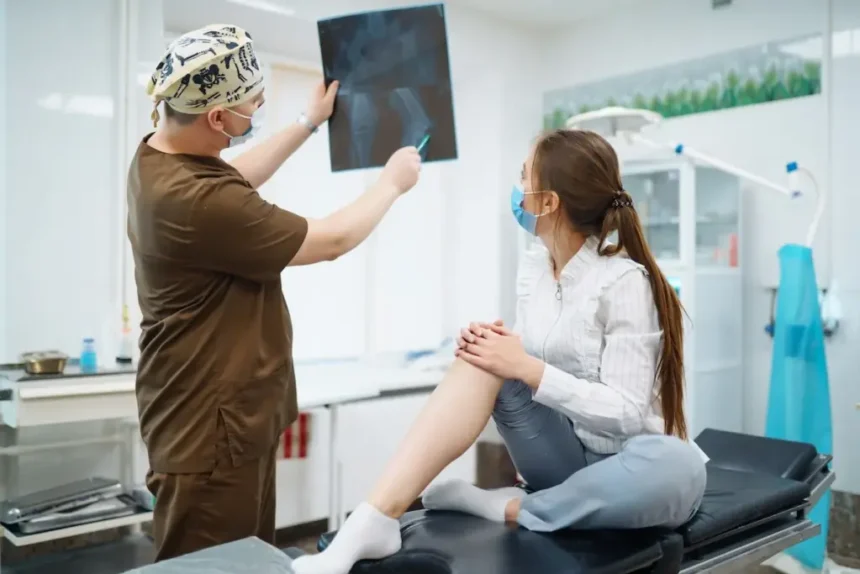
Interventional radiology offers targeted options for people living with chronic pain. Specialists use image-guided technology to locate the source of your discomfort, and they perform procedures with precision. These methods can reduce pain, so you return to daily activities with less disruption. Understanding helps you make informed decisions about your care, since you know all of your options.
Procedures for Pain Relief
Interventional radiology procedures use real-time imaging to guide treatment directly to the source of your pain.
Procedure Mechanics Explained
Specialists view the treatment area live during the procedure, which supports precise placement and improves accuracy. This approach often reduces the need for larger operations. Recovery times can be shorter than with surgery. Many patients complete these procedures without general anesthesia and return home the same day. Because the doctor monitors each step through imaging, the treatment stays on course and surrounding tissue faces less disruption.
Procedure Types and Approaches
The specialist selects the right technique based on your condition, and imaging confirms placement throughout the process. Because treatment stays focused on the intended location, the approach is accurate and targeted to your needs. Pain management procedures use imaging to guide treatment directly to the affected area. A specialist views the target in real time, and this live feedback supports precise placement. This approach improves accuracy. It often reduces the need for larger operations.
Imaging for Pain Diagnosis
Scans can show conditions that contribute to your pain, including:
- Inflammation in joints or surrounding tissue
- Tears in muscles, tendons, or ligaments
- Structural changes that affect how the body moves
- Nerve compression along the spine or in soft tissue
The specialist reviews these findings. The results directly shape the treatment approach. When imaging confirms the exact source, your care plan is built on visual evidence. Pain often connects to nerve pathways in these regions, and imaging helps identify where disruption occurs. Detailed scans reveal the cause, so treatment can address it directly. When the specialist reviews these images and your history, the plan reflects your specific condition. The specialist reviews findings carefully, and the results guide decisions about which interventional procedure fits your needs.
Networks Supporting Your Care
The specialist reviews the vascular network carefully, and imaging confirms which vessels are involved. Because the doctor studies these findings and uses clear visual evidence, care targets the true source of discomfort. Imaging reveals the structure and condition of affected vessels. The specialist uses this information to guide next steps. Some interventional procedures work within the vascular system, so the doctor can reach the source without open surgery. Because treatment is guided by real-time imaging and confirmed through the scans, the approach stays precise and focused on your condition. These services work together to build a complete picture of your condition. One scan may guide another decision; findings from one area often inform how the specialist approaches another. The specialist reviews results across services, so your plan stays coordinated. When imaging, procedures, and specialist input align, your treatment addresses the problem from multiple angles.
Book Interventional Radiology Today
Interventional radiology specialists use advanced technology to perform image-guided procedures. They make treatment convenient for patients and referring providers. The doctors remain available to discuss results, and they confer with your provider throughout your care. Because the team explains each step and answers your questions, you can move forward being informed. Book an appointment now by using the scheduling feature or calling the office.