



Key Takeaways
- Reentry planning is most effective when it begins before release day.
- Housing, identification, health care, transportation, and supervision requirements need early attention.
- Families can provide steady support while still allowing the returning person to take responsibility.
- A written plan reduces confusion, missed deadlines, and avoidable conflict.
- Small, repeatable steps are usually more useful than trying to solve everything immediately.
Table Of Contents
- Why Reentry Planning Matters
- Start Before Release
- Priorities For The First Week
- Housing And Identification
- Health Care And Treatment
- Work And Money
- Family Communication And Trust
- Supervision And Legal Duties
- Common Mistakes To Avoid
- A Simple Family Checklist
- Conclusion
Returning home after incarceration is more than a release date. It is a major transition involving routines, relationships, health needs, money, transportation, and legal obligations. A family does not need a perfect plan, but a clear and realistic one can make the first days feel less chaotic. Some families may need help understanding complicated circumstances before or after release. In those situations, Defense Consultants may be one option for people seeking guidance through criminal justice and reentry-related concerns. Day-to-day family planning, however, should still focus on practical needs, honest communication, and reliable follow-through.
Why Reentry Planning Matters
Reentry affects nearly every part of life at once. A missed ride can lead to a missed appointment. Missing an appointment can interfere with treatment, employment, supervision, or access to benefits. Unstable housing can make it harder to keep documents safe, sleep well, or maintain a job schedule. Planning helps the family see these connections before a small problem becomes a larger crisis. Every situation is different. The best plan will reflect the person’s release conditions, health needs, location, family relationships, work experience, and available community support. The goal is not to control every decision. It is to create enough structure for the returning person to make good decisions under pressure.
Start Before Release
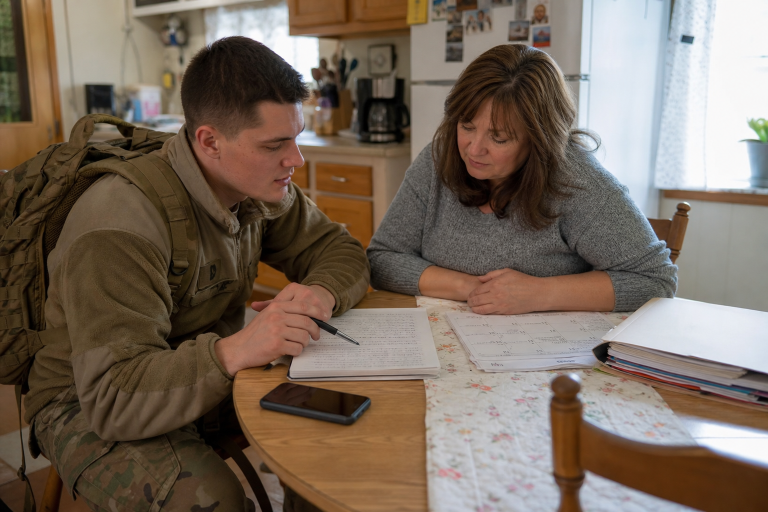
Begin as soon as a release date appears likely. Keep important information in one shared notebook, folder, or secure phone calendar. If appropriate, include the returning person in the planning process so they understand the schedule and take ownership of their next steps.
Items To Confirm Early
- Expected release date, time, and location.
- Transportation from the facility and backup transportation.
- Required reporting dates, treatment appointments, and check-ins.
- Available identification documents, including a state ID, birth certificate, and Social Security card.
- Prescription medications, medical records, and provider contact information.
- Household expectations about guests, chores, money, curfews, and substance use.
- Emergency contacts and a backup housing option.
Priorities For The First Week
The first seven days should emphasize stability over speed. Someone returning home may be tired, overstimulated, anxious, or uncertain about ordinary choices. Keep the schedule simple and avoid packing every day with errands, visitors, and difficult conversations.
- Confirm a safe place to sleep and access to basic clothing and hygiene items.
- Make sure food, water, a working phone, and transportation are available.
- Attend every required check-in and appointment.
- Fill prescriptions or arrange medical follow-up before medication runs out.
- Create a basic routine for waking up, meals, appointments, chores, and rest.
- Limit unnecessary travel, conflict, and high-pressure social situations.
Housing And Identification
Safe housing and identification are early priorities because both affect many other tasks. A stable address may be needed for employment applications, health coverage, banking, mail, and supervision. Families should verify whether the home is approved under the individual’s release conditions rather than making assumptions. Discuss the home rules before release whenever possible. Cover privacy, visitors, internet use, transportation, household expenses, quiet hours, and substances. Also, decide what happens if the arrangement becomes unsafe or unworkable. A backup plan is not a sign of distrust. It is a practical safeguard.
Health Care And Treatment
Health care can become difficult to manage when insurance, records, medications, appointments, and transportation are left until the last minute. Make a list of current prescriptions, providers, treatment programs, and pharmacy information. If the person has mental health or substance-use needs, identify local care options before release when possible. Families should take severe anxiety, hopelessness, confusion, withdrawal symptoms, or talk of self-harm seriously.
Work And Money
Employment may take time, and the first job may not be the long-term goal. Early success often means showing up consistently, arranging transportation, keeping a workable schedule, and building recent work history. Prepare a short, honest explanation of employment gaps without oversharing unnecessary information. Create a simple weekly budget that lists housing, food, transportation, phone service, medication, court-related obligations, child support, and savings. Keep pay stubs, receipts, notices, and appointment records in one place. Families can also review government benefit and assistance information for possible help with food, housing, health care, or other basic needs.
Family Communication And Trust
Reentry can bring hope, relief, anger, caution, and exhaustion into the same home. Trust rarely returns all at once. It is rebuilt through consistent actions, respectful conversations, and clear boundaries. Families should avoid vague promises such as “We will figure it out” when a direct plan is possible.
A Better Way To Set Expectations
Instead of expecting everyone to remember informal rules, set a weekly check-in. For example, the family might meet every Sunday evening to review appointments, work shifts, transportation, chores, spending concerns, and any problems at home. A written chore schedule can reduce arguments and make expectations visible to everyone.
Supervision And Legal Duties
Release conditions may involve reporting requirements, travel limits, testing, treatment, employment expectations, or restrictions on contact. Requirements vary by jurisdiction and individual case. Families should not guess about what is allowed. Keep copies of official paperwork, write down deadlines, and ask the appropriate supervising professional when a condition is unclear.
This article provides general information, not legal advice. When a deadline, condition, warrant, housing issue, or other legal concern arises, promptly seek guidance from a qualified legal professional or the appropriate official agency.
Common Mistakes To Avoid
- Trying to solve every problem in the first 24 hours.
- Keeping appointments and deadlines only in memory.
- Ignoring transportation until the day of an important meeting.
- Assuming identification documents will be easy to replace.
- Waiting until medication runs low to arrange care.
- Offering unlimited financial rescue without clear boundaries.
- Expecting family relationships to feel normal immediately.
- Turning away community support because of shame or pride.
A Simple Family Checklist
- Before release: Confirm the date, housing, transportation, documents, medications, appointments, and supervision requirements.
- During the first week: Prioritize safety, sleep, food, reporting, medication, and a calm routine.
- During the first month: Review employment, budgeting, treatment, transportation, and family communication.
- After 90 days: Update the plan based on progress, setbacks, new goals, and remaining needs.
Conclusion
A successful reentry is rarely the result of one major decision. It is built through consistent planning, realistic expectations, and ongoing support from both the returning individual and the people around them. Families can strengthen the transition by organizing important documents, maintaining open communication, establishing healthy boundaries, and preparing for challenges before they arise. Access to housing, healthcare, employment, transportation, and community resources also plays an important role in long-term stability. Progress may not always be linear, but small improvements made over time can lead to lasting change. By working together, staying flexible, and focusing on practical goals, families can help create a safer, more supportive environment that encourages accountability, independence, and a more successful return to everyday life.