



Post PreviewAI research agents can find information quickly, but speed alone does not make a result trustworthy. A dependable workflow must help the agent identify current material, read the underlying evidence, compare competing claims, and explain what remains uncertain. Teams building web-connected agents can use the search API documentation to understand how search results, extracted passages, and structured outputs can support those stages.
The goal is not to make an agent search forever. It is to give every search a purpose, set clear standards for evidence, and create an answer that a person can review without having to retrace every step from scratch.
Why Reliable Research Matters
Many useful questions depend on information that changes. Product specifications, regulations, company policies, technical documentation, market conditions, and local requirements can all become outdated. An agent that finds an old page may still produce a polished answer, but polished writing cannot repair weak evidence.
Finding information and proving it are different tasks. Discovery identifies possible sources. Verification determines whether those sources actually support the conclusion. Reliable research, therefore, depends on workflow design, not just on the model’s ability to summarize text.
The Core Research Workflow
A practical system separates research into five repeatable stages:
- Define: Convert the request into a specific question that includes the relevant date, location, audience, and decision to be made.
- Discover: Search for a range of potentially useful sources rather than relying on the first result.
- Read: Collect exact passages, publication dates, definitions, figures, and exceptions.
- Verify: Compare important claims with original or independent evidence.
- Report: Deliver a direct answer, supporting evidence, and clear limits.
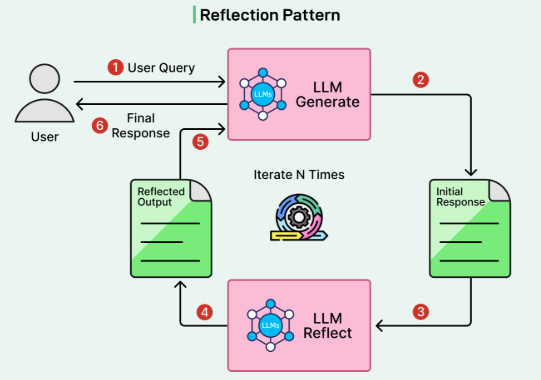
Keeping these stages separate prevents premature synthesis. The agent should not write the conclusion after reading one promising result. It should first gather sufficient evidence to determine whether the result is current, complete, and independently supported.
Queries and Source Quality
Write narrower, testable queries
Broad searches create noise. Instead of asking for “recent electric vehicle policy changes,” break the task into federal rules, state updates, effective dates, eligibility requirements, and official agency notices. Add details that narrow the search:
- A date range or “effective as of” date.
- A country, state, industry, or market.
- The preferred source type, such as a regulator, manufacturer, or academic institution.
- The exact claim that must be confirmed.
When results disagree, the agent should issue a follow-up query to address the discrepancy. For example, it can search for the regulation number, a corrected figure, a newer version of the document, or the original announcement behind a news report.
Rank sources by their role
Primary sources generally deserve the greatest weight. These include government rules, court decisions, official filings, research papers, datasets, product documentation, and direct statements from the organization responsible for the fact. Expert analysis and reputable reporting can add context, while forums and anonymous posts may reveal leads but rarely settle an important claim.
Useful quality signals include a named publisher, visible date, author expertise, direct supporting evidence, precise language, and consistency with independent reporting. No source is perfect, so the workflow should record both what a source establishes and what it cannot establish.
Verification and Structured Output
Verify the claims that matter most
For material claims, use a simple sequence: locate the original source, confirm its date, check its wording and scope, compare it with an independent source, and note any unresolved conflict. Be especially careful when two articles repeat the same original report, because apparent agreement may not be independent confirmation.
Confidence labels should reflect evidence rather than tone. Use verified when the claim is directly supported by current, high-quality evidence. Use probable when strong evidence exists, but an important detail remains indirect. Use “unconfirmed” when sources are incomplete, conflicting, or stale.
Use a consistent research record
Structured output makes research easier to review, filter, and audit. Each finding can include:
- Claim: The fact being tested.
- Source: The document or page supporting it.
- Date: When it was published or updated.
- Evidence: The relevant passage, figure, or rule.
- Confidence: The strength of the support.
- Notes: Conflicts, exceptions, and unanswered questions.
Common Failure Points
Research agents commonly fail due to search drift, duplicate sources, date confusion, snippet dependence, and overly long investigations. Search drift happens when the agent follows interesting but irrelevant links. Duplication happens when many pages repeat the same claim. Snippet dependence occurs when the agent trusts a preview without reading the full text.
Practical safeguards include query limits, source deduplication, date filters, required page reading for key claims, and stop conditions. A good stop condition might be: stop when the central claim has a current primary source, one independent confirmation where appropriate, and no unresolved conflict that would change the answer.
Safety, Privacy, and Access Controls
Research quality also depends on the safe handling of information. Agents should minimize data before submitting it to a query, removing customer names, account numbers, internal plans, and other personal details unless they are essential. Tool permissions should be limited, and external actions or data sharing should require approval.
Security controls should also create logs of searches, retrieved documents, decisions, errors, and outbound actions. The governance practices for autonomous AI systems reinforce why privacy, access control, and traceability belong in the research workflow rather than being treated as optional additions.
Testing the Workflow
Test an agent with a small benchmark of known-answer questions. Include easy questions, ambiguous questions, time-sensitive facts, and cases with deliberately conflicting sources. Run each task more than once, then measure factual accuracy, citation support, completeness, latency, cost, and whether the answer stays within scope.
Review failures by stage. Was the question poorly defined? Did discovery miss the primary source? Did verification overlook a newer document? Did reporting overstate confidence? Evaluation probes that inspect factual grounding offer a useful model for checking how well evidence supports each output claim.
A Practical Research Example
Consider a request to determine whether a new state rule affects small online retailers. The agent should identify the state, agency, rule number, effective date, covered businesses, and the user’s business activity. It should then search official rulemaking pages first, gather relevant passages, and compare the findings with a recent independent legal explanation.
The final response should state who is covered, when the requirements begin, which exceptions may apply, and which questions require legal or operational review. The same workflow works for supplier research, technical comparisons, compliance monitoring, competitor tracking, and academic literature reviews.
Research Checklist
- Is the question specific enough to research?
- Are the sources current for this topic?
- Did the agent seek primary evidence first?
- Were major claims independently checked?
- Are dates, figures, names, and locations accurate?
- Does every important conclusion have evidence?
- Are uncertainties clearly labeled?
- Was sensitive information removed from queries?
- Can a reviewer follow the research trail?
Reliable AI research is not about searching more often. It is about defining the question, collecting the right evidence, carefully comparing sources, tracking uncertainty, and producing an answer that aligns with the actual decision at hand.