



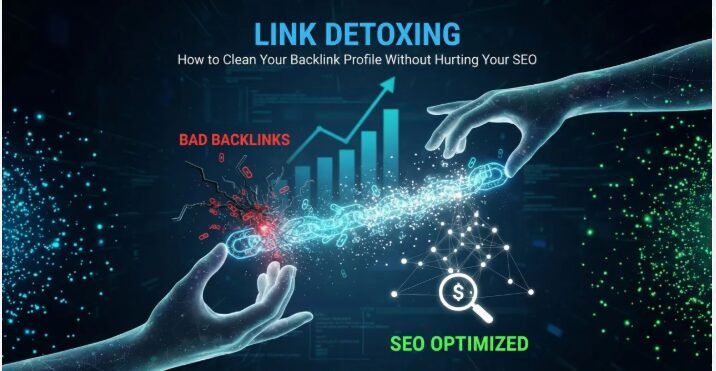
Backlinks are a cornerstone of SEO, but not all links are beneficial. Some can harm your site’s ranking and credibility. Identifying and addressing these toxic backlinks is crucial for maintaining a healthy online presence. Conducting a backlink audit is an effective way to assess your site’s link profile and identify harmful links. Vazoola, a leading SEO marketing firm, offers comprehensive backlink audit services to help businesses maintain a clean and effective backlink profile.
What Are Toxic Backlinks?
Toxic backlinks are inbound links from low-quality, spammy, or irrelevant websites that can negatively impact your search engine rankings. These links often come from sources like link farms, paid link schemes, or sites unrelated to your niche.
Why Are Toxic Backlinks Harmful?
Search engines like Google aim to provide users with the most relevant and trustworthy content. When your site has numerous toxic backlinks, it signals to search engines that your site may be engaging in manipulative practices, which can lead to penalties or lower rankings.
How to Identify Toxic Backlinks
To spot toxic backlinks, consider the following steps:
- Use Backlink Analysis Tools: Utilize tools like Ahrefs, SEMrush, or Moz to analyze your backlink profile. These platforms can help identify suspicious links and provide metrics on their quality.
- Check for Irrelevant Sources: Examine the linking domains. If they are unrelated to your industry or have a high spam score, they may be toxic.
- Analyze Anchor Text: Look for unnatural or over-optimized anchor texts, such as exact-match keywords, which can be a red flag.
Steps to Fix Toxic Backlinks
Once identified, you can address toxic backlinks through the following methods:
- Contact Webmasters: Reach out to the owners of the linking sites and request the removal of the harmful links.
- Disavow Links: If removal isn’t possible, use Google’s Disavow Tool to inform search engines to ignore these links when assessing your site.
Preventing Future Toxic Backlinks
To avoid acquiring toxic backlinks in the future:
- Focus on Quality Content: Create valuable content that naturally attracts high-quality backlinks.
- Avoid Black-Hat SEO Practices: Steer clear of buying links or participating in link schemes.
- Regular Audits: Periodically review your backlink profile to catch and address any issues early.
Additional Signs of Toxic Backlinks
In addition to examining the source and relevance of backlinks, other warning signs might indicate toxic or unnatural links pointing to your website. Links that come from websites with little or no original content, or those that have been penalized by search engines in the past, should raise suspicions. A sudden spike in inbound links over a very short period can be another indicator, as it may point to a black-hat link-building tactic intended to manipulate search engine results.
Other signs to watch for include excessive site-wide links from the same domain (such as a footer link repeated across every page), links from geographies or languages that don’t align with your target audience, or backlinks from directories and bookmarking sites with no quality control or editorial process. Repetitive, low-quality anchor text can also indicate automated spam tactics.
How Toxic Backlinks Affect Your SEO
The consequences of a toxic backlink profile can range from a gradual decline in organic traffic to sudden ranking drops or even manual penalties from Google. Sometimes, your page might be de-indexed, meaning it won’t appear in search results at all. These negative effects can reverse months or years of hard-earned progress, making it vital to guard your site’s backlink health proactively.
In addition to algorithmic impacts, having many toxic links can also damage your brand’s reputation with customers and partners. If potential clients notice your site is regularly associated with spammy domains, they might lose trust. Rebuilding that lost credibility can be more challenging and costly than cleaning up backlinks.
Tips for Outreach and Remediation
When contacting web admins to remove toxic backlinks, it’s best to remain polite and concise. Clearly identify the links you want removed, and provide URLs or screenshots for easy reference. Some website owners may respond quickly, especially if you explain how the backlinks are negatively affecting your site, and assure them you seek only to clean your profile, not to criticize their site. However, not all webmasters will respond or agree to remove links, which is why the disavow process remains critical as a last resort.
If you need to disavow backlinks, compile a list of URLs or domains to exclude, then upload it to the Google Disavow Tool via Search Console. It’s important to note that this tool should be used with caution: disavowing good links by mistake can harm your SEO more than help it, so double-check your list before submission.
Maintaining a Healthy Backlink Profile Long-Term
Backlink management isn’t a one-time project, as it’s an ongoing part of any robust SEO strategy. Regularly review new and lost backlinks, monitor your competitors’ link-building tactics, and keep alert for emerging trends in black-hat SEO that could impact your industry. Consider investing in continuous monitoring software or working with a professional agency like Vazoola to automate these checks and receive timely alerts about suspicious activity. Building relationships with reputable sources in your market pays off in both new backlink opportunities and added resistance to negative SEO attacks. Actively engage in your niche’s online communities, guest post on established blogs, and cultivate positive, organic mentions across the web. Such efforts ensure that your site’s link profile remains robust and beneficial to both search engines and users.
Leveraging Professional Services
Managing backlinks can be complex. Companies like Vazoola specialize in backlink audits, helping businesses identify and rectify toxic links. With their expertise in SEO and link-building strategies, they offer comprehensive services to ensure your backlink profile remains healthy and effective.
Conclusion
Maintaining a clean backlink profile is essential for SEO success. By identifying and addressing toxic backlinks, you can protect your site’s reputation and improve its search engine performance. Regular audits and adherence to best practices will keep your site in good standing.