


Introduction
Public parks have evolved far beyond open green spaces and walking trails. Today, communities expect recreational areas that encourage healthier lifestyles, accommodate people of all ages, and create opportunities for social interaction. As cities and local councils continue investing in public infrastructure, outdoor fitness has become an important part of modern park planning.
One of the biggest challenges facing planners is creating spaces that remain engaging, durable, and accessible for diverse users. Fitness areas must withstand heavy use while supporting everything from beginner workouts to advanced physical training. The most successful recreational spaces achieve this balance by combining thoughtful design, safety, and long-term sustainability. As community wellness continues to gain importance, integrating versatile fitness solutions into public environments is becoming a defining feature of contemporary landscape architecture.
Creating Outdoor Spaces That Encourage Daily Activity
People are more likely to stay active when exercise opportunities are convenient, welcoming, and enjoyable. Parks, schools, residential developments, and community spaces increasingly incorporate fitness zones that remove many of the barriers associated with traditional gyms.
Modern recreational environments are designed to encourage movement naturally. Instead of focusing solely on structured workouts, these spaces invite visitors to climb, stretch, balance, and strengthen through everyday play and activity. Equipment layouts can accommodate individual exercise, family participation, or group fitness sessions, making outdoor recreation more inclusive.
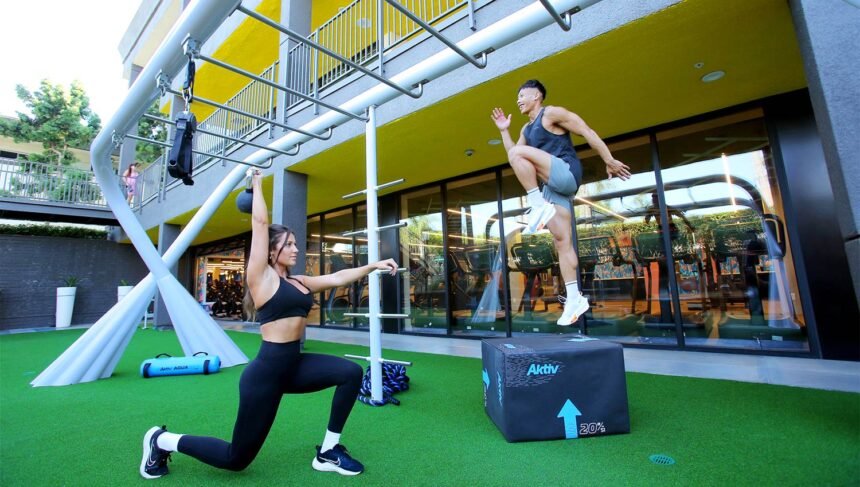
Many landscape architects now incorporate outdoor commercial fitness equipment into broader park designs, allowing visitors to combine walking paths, green spaces, and exercise stations within a single destination. This integrated approach supports healthier communities while maximizing the value of public recreational investments.
Designing for Multiple Age Groups and Fitness Levels
Successful outdoor recreation areas serve a broad audience rather than targeting a single demographic. Children, teenagers, adults, seniors, and athletes all benefit from environments that encourage movement in different ways.
Inclusive design begins with offering a variety of physical challenges. Some users prefer low-impact stretching and balance exercises, while others seek strength training or cardiovascular activities. By providing equipment with varying difficulty levels, public spaces remain relevant for a wider portion of the community.
Accessibility also plays an important role. Clear pathways, intuitive layouts, and thoughtfully positioned equipment make outdoor fitness areas easier to navigate for visitors with different physical abilities. When communities prioritize universal design principles, they create welcoming environments where everyone can participate regardless of age or experience.
As populations continue to diversify, flexible recreational infrastructure will remain an essential component of successful public space planning.
Adventure-Based Fitness Is Reshaping Recreation
Traditional exercise equipment is no longer the only attraction in modern parks. Functional movement and obstacle-based training have become increasingly popular because they combine physical fitness with problem-solving and exploration.
Parkour-inspired installations challenge users to climb, jump, balance, and navigate varied obstacles using natural body movement. These experiences improve coordination, agility, endurance, and confidence while keeping exercise engaging.
The growing popularity of obstacle racing and functional fitness has also influenced public recreation projects. Many councils and developers are incorporating ninja playground equipment into community spaces to provide exciting opportunities for active play that appeal to teenagers, young adults, and families alike.
Rather than replacing traditional playgrounds or fitness stations, these installations complement them by introducing new forms of movement that encourage repeat visits and sustained community engagement.
Sustainability and Durability Matter More Than Ever
Outdoor recreational infrastructure represents a long-term public investment, making durability and sustainability critical considerations during planning and construction.
High-quality materials help equipment withstand changing weather conditions, heavy public use, and years of continuous exposure. Corrosion resistance, structural integrity, and low maintenance requirements all contribute to reducing lifecycle costs while ensuring visitor safety.
Sustainable manufacturing practices are also becoming increasingly important. Many organizations now prioritize environmentally responsible materials, efficient production methods, and designs that blend naturally into surrounding landscapes. These choices support broader environmental goals while delivering attractive recreational environments.
Equally important is designing spaces that remain adaptable over time. Communities evolve, recreational trends change, and public expectations continue to grow. Flexible layouts allow future expansions or modifications without requiring complete redevelopment, making outdoor fitness projects more resilient and cost-effective.
Conclusion
Outdoor fitness spaces are becoming essential components of healthy, connected communities. Thoughtfully designed parks encourage regular physical activity, strengthen social interaction, and create recreational opportunities for people of every age and ability.
As public expectations continue to evolve, successful recreational environments will focus on inclusivity, durability, sustainability, and engaging experiences that inspire long-term participation. Whether supporting everyday exercise, functional training, or family recreation, well-planned outdoor fitness infrastructure delivers lasting value for communities and local governments alike.
Looking ahead, investment in innovative public recreation will continue shaping healthier neighborhoods and more vibrant shared spaces. By combining intelligent design with high-quality fitness solutions, communities can create outdoor environments that remain relevant, welcoming, and beneficial for generations to come.