



Why Upper-Jaw Bone Loss Can Change Treatment
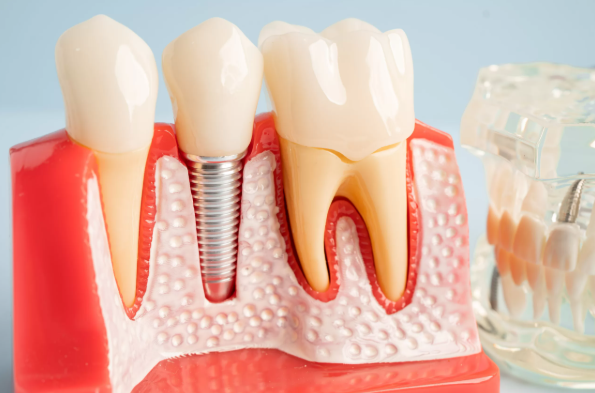
After teeth are lost, the jawbone may gradually shrink because it no longer receives the same chewing forces. Gum disease, infection, injury, long-term denture wear, and previous surgery can also reduce the amount or quality of available bone. In the upper jaw, the situation can be especially challenging because the bone in the back of the mouth may be thin and close to the sinus cavities. Being told that there is “not enough bone” for regular implants does not necessarily mean every implant option has disappeared. It may mean that a conventional approach would require additional procedures or that a more advanced solution, such as zygomatic implants, should be evaluated. A careful consultation is more useful than a quick visual assessment because treatment decisions depend on anatomy, health, bite, and long-term goals. Some people prioritize fixed teeth and a shorter treatment timeline. Others prefer to avoid major surgery, keep costs lower, or remain with a removable denture. There is no universally correct path. The most appropriate plan is the one that accounts for the patient’s oral condition, medical history, comfort with risk, and ability to maintain the final restoration. A complete examination often includes medical and dental records, an oral exam, a bite evaluation, photographs, and cone-beam computed tomography (CBCT). This scan helps the team examine bone height, bone width, sinus position, and nearby facial structures before recommending surgery.
Common Treatment Paths
Patients with upper-jaw bone loss may hear about several possible treatment routes. The differences are important because each route has its own surgical demands, timeline, cost structure, and maintenance needs.
- Traditional dental implants: These may be suitable when enough healthy bone remains to support implant fixtures safely.
- Bone grafting: Grafting can rebuild areas with inadequate bone volume, but it may add healing time and sometimes requires more than one procedure.
- Sinus lift procedures: A sinus lift may create more vertical room for implants in the upper back jaw where the sinus has expanded into the space once occupied by bone.
- Removable dentures: A non-surgical denture can still be a reasonable choice for people who do not want or cannot safely undergo implant surgery.
- Cheekbone-supported implants: These may be considered in selected cases of severe upper-jaw bone loss where standard implant placement is limited.
What Cheekbone-Supported Implants Are
Cheekbone-supported implants are longer implants designed to gain support from the zygomatic bone (cheekbone) rather than relying solely on the weakened upper jaw. The dense cheekbone can provide anchorage for patients who may not have enough upper-jaw bone for a traditional approach. This procedure is generally reserved for complex cases and requires detailed planning. It may be used to support a fixed upper prosthesis, sometimes alongside conventional implants in the front part of the upper jaw. It is not a one-size-fits-all replacement for grafting, and it should not be presented as a guaranteed outcome.
How Specialists Assess Candidacy
Imaging alone does not determine whether someone is a candidate. A qualified oral and maxillofacial surgeon or experienced implant team connects scan findings with the patient’s overall health, oral condition, and expectations.
- Review dental history, medical conditions, medications, allergies, and previous surgeries.
- Assess remaining teeth, gum health, bite relationship, facial structure, and soft-tissue condition.
- Use CBCT imaging to study bone shape, sinus anatomy, and possible surgical pathways.
- Evaluate infection risks, sinus concerns, smoking status, diabetes control, and healing factors.
- Discuss anesthesia options, temporary teeth, recovery expectations, and hygiene requirements.
- Provide written options so the patient can compare tradeoffs before consenting to treatment.
What the Procedure May Involve
Although every case differs, treatment commonly begins with digital planning and may continue through surgery, temporary teeth, healing visits, and a final prosthesis. Some patients may receive a provisional fixed restoration soon after surgery, while others may need a different timeline based on stability and healing. During surgery, implants are placed through the mouth into carefully planned areas of bone. Follow-up appointments allow the team to monitor swelling, comfort, bite, hygiene, and the condition of the temporary restoration. Final teeth are typically designed only after the clinical team determines that healing is progressing appropriately.
Benefits and Limitations to Weigh
The potential advantage of cheekbone-supported treatment is that it may reduce reliance on extensive grafting and may allow a fixed restoration sooner in selected patients. However, a recent review of the benefits and risks found that faster rehabilitation may increase the risk of complications, and the available evidence remains limited.
- Possible advantages: Reduced need for bone grafting, a potentially shorter treatment sequence, and support for fixed teeth in severe bone-loss cases.
- Possible concerns: Sinus issues, infection, discomfort, implant or prosthetic complications, loosening, and the possible need for additional treatment.
- Long-term responsibility: Fixed teeth still need daily cleaning, regular professional maintenance, and prompt attention if anything feels loose or painful.
Questions to Ask at a Consultation
- Why are conventional implants not recommended for my specific anatomy?
- Could grafting or a sinus lift still be a reasonable alternative?
- How often does the surgeon perform similar complex upper-jaw procedures?
- What anesthesia will be used, and what are the recovery expectations?
- Will temporary teeth be provided, and what happens if they break or loosen?
- Which complications are most relevant to my sinus anatomy and medical history?
- What cleaning tools and professional maintenance will the final teeth require?
- Which surgical, restorative, laboratory, imaging, and follow-up costs are included?
Recovery, Daily Care, and Planning Ahead
Complex oral surgery can involve swelling, bruising, soreness, diet changes, and temporary speech adjustments. The treating team should provide individualized instructions for medications, activity, eating, and cleaning. Increasing pain, fever, drainage, breathing concerns, or loose components should be reported promptly. Costs can vary substantially based on the number of implants, anesthesia, imaging, temporary teeth, final materials, laboratory work, travel, and follow-up care. Ask for an itemized estimate rather than relying on a single advertised price. It is also wise to ask whether insurance, financing, medical coverage, or health savings funds may apply.
Conclusion
Upper-jaw bone loss can make implant treatment more complex, but it does not automatically end the possibility of fixed teeth. Standard implants, bone grafting, sinus procedures, dentures, and cheekbone-supported approaches, such as zygomatic implants, each have distinct benefits, limitations, treatment timelines, and risks. The most appropriate option depends on the amount and location of available bone, gum health, bite forces, overall health, personal preferences, and long-term goals. A thorough evaluation with appropriate imaging can help the dental team understand the anatomy and determine which approaches are realistic. Patients should also ask about recovery, temporary and final teeth, maintenance, total costs, and possible complications. With realistic expectations, careful planning, and a clear written treatment plan, patients can better understand their choices and make a thoughtful decision about restoring function and confidence in 2026.