


Hair loss affects millions of people worldwide, impacting self-esteem and daily confidence. For those seeking a reliable hair loss treatment in Melbourne, the journey to restoring a full head of hair often leads to advanced clinical solutions. Modern medical advancements have made hair restoration safer, more effective, and highly accessible. If you are considering surgical restoration, understanding your options is the first step toward achieving natural-looking results. This guide provides an honest look at what patients should expect when evaluating their hair restoration journey, focusing on the latest techniques, clinical standards, and realistic outcomes to help you make an informed decision about your scalp health.
Understanding the Root Causes of Hair Thinning
To address hair thinning effectively, patients must first understand why it happens. Pattern baldness, or androgenetic alopecia, accounts for the majority of hair loss cases in both men and women. This genetic condition causes hair follicles to shrink over time under the influence of dihydrotestosterone (DHT), a hormone that shortens the hair growth cycle. Other contributing factors include chronic stress, nutritional deficiencies, thyroid imbalances, and improper scalp care.
Identifying Your Hair Loss Stage
Before choosing a specific hair loss treatment in Melbourne, clinicians assess your hair loss stage using standardised scales like the Norwood Scale for men or the Ludwig Scale for women. Identifying whether you are dealing with temporary shedding or permanent follicle miniaturisation determines the best course of action. Early-stage thinning often responds well to non-surgical therapies, such as prescription medications, topical solutions, and low-level laser therapy. However, once hair follicles completely close and scar over, surgical intervention becomes the most viable method to restore density. Combining preventative therapies with surgical procedures often yields the most sustainable, long-term outcomes for patients experiencing progressive hair thinning.
The Evolution of Modern Hair Restoration Techniques
Hair restoration has progressed significantly from the unnatural-looking hair plugs of the late twentieth century. Today, micro-grafting techniques allow surgeons to transplant individual hair follicles with extreme precision, mimicking the natural growth patterns of your original hair. The two primary surgical methods used today are Follicular Unit Extraction (FUE) and Follicular Unit Transplantation (FUT).
FUE vs. FUT: Choosing the Right Method
FUE involves extracting individual follicular units directly from the donor area—usually the back of the head—using a specialised micro-punch tool. This method leaves tiny, dot-like scars that are virtually invisible, making it ideal for patients who prefer short hairstyles. FUT, or strip surgery, involves removing a small strip of scalp from the donor zone, from which technicians extract individual grafts under a microscope. While FUT leaves a linear scar, it often yields a higher volume of usable grafts in a single session. When researching a Melbourne hair transplant at Hair Doctors, patients learn that the choice between FUE and FUT depends on scalp elasticity, the extent of baldness, and personal lifestyle preferences. Experienced clinicians evaluate these individual anatomical factors to recommend the technique that preserves the donor area while maximising recipient site density.
What to Expect During Your Consultation and Procedure
A successful hair transplant relies heavily on thorough pre-operative planning. During your initial clinical assessment, a qualified surgeon evaluates your donor hair density, analyses your scalp health, and designs a natural-looking hairline that complements your facial structure. This stage is crucial for managing expectations and establishing a clear surgical roadmap.
The Day of the Procedure
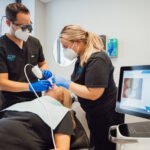
On the day of your Melbourne hair transplant at Hair Doctors, the clinical team prepares you for a comfortable, outpatient experience. The procedure begins with the administration of local anesthesia to numb both the donor and recipient areas, ensuring you feel minimal discomfort throughout the day. The surgeon then carefully extracts the healthy follicles from the donor zone. Next, the surgeon creates tiny recipient sites in the thinning areas, paying close attention to the angle, direction, and depth of each graft. Placing these grafts requires high technical skill and an artistic eye to ensure the new hair blends seamlessly with your existing hair. The entire process can take anywhere from four to eight hours, depending on the number of grafts required to achieve your desired density.
Recovery, Aftercare, and Long-Term Results
The success of a hair transplant does not end when you leave the clinic; diligent post-operative care plays an equally vital role in graft survival. Immediately following the procedure, the scalp may experience mild swelling, redness, and tiny scabs around the graft sites. These temporary side effects typically resolve within a week.
Nurturing Your New Grafts
Clinicians provide detailed aftercare instructions that patients must follow precisely to protect their investment. For the first few days, you must wash your hair gently using a specialised saline spray or a mild baby shampoo, avoiding direct shower pressure. It is also essential to sleep with your head elevated to minimise swelling and prevent accidental rubbing of the grafts. Within two to four weeks, the transplanted hairs will naturally shed—a normal physiological process known as shock loss. This shedding makes way for new, healthy hair shafts to grow from the transplanted roots. Visible growth usually begins around the third or fourth month, with final, mature results appearing between twelve and eighteen months post-surgery. Maintaining a consistent hair loss treatment in Melbourne alongside your transplant can help preserve your remaining non-transplanted hair.
Choosing the Right Clinic for Your Hair Restoration
Selecting where to undergo a surgical hair restoration procedure is a significant decision that requires careful research. Because hair transplantation is a highly specialised field, the experience and artistic skill of your surgical team directly impact your final appearance. Patients should look for clinics that prioritise personalised care plans over one-size-fits-all packages.
Evaluating Clinical Standards and Credentials
When evaluating options for a Melbourne hair transplant at Hair Doctors, look for practitioners who maintain active memberships in recognised professional bodies, such as the International Society of Hair Restoration Surgery (ISHRS). Reviewing before-and-after portfolios of previous patients with similar hair types and loss patterns can also provide valuable insight into the surgeon’s aesthetic style. Additionally, a reputable clinic will offer comprehensive follow-up appointments to monitor your healing progress and adjust your long-term hair preservation strategy as needed. Prioritising clinical safety, transparent pricing, and experienced medical staff ensures a safe procedure and a natural, confidence-boosting outcome that lasts a lifetime.
Conclusion
Embarking on a hair restoration journey is a transformative step toward reclaiming your confidence and youthfulness. By understanding the underlying causes of hair thinning and exploring advanced surgical options, you can make an educated choice that aligns with your aesthetic goals. Whether you are managing early-stage thinning or looking for a permanent solution to advanced hair loss, seeking a professional hair loss treatment in Melbourne offers a reliable path forward. With modern techniques and dedicated clinical care, achieving natural, dense, and lasting hair growth is more achievable than ever before. Take the time to consult with qualified medical professionals, ask detailed questions, and plan your recovery carefully to ensure the best possible results for your scalp.