


Hair loss affects millions of people globally, yet the emotional impact and physical patterns differ significantly between genders. While society often associates thinning hair with ageing males, females also experience substantial shedding that impacts their self-esteem. Fortunately, medical advancements have made permanent restoration highly accessible. Choosing a hair transplant for women involves unique considerations compared to male procedures, as the patterns of thinning require distinct clinical approaches. Understanding these differences helps patients make informed decisions about their restoration journey. Whether you are addressing a receding hairline or diffuse thinning across the scalp, modern surgical techniques offer natural-looking, permanent results tailored to your specific anatomy and aesthetic goals.
The Biological Differences in Hair Loss
To appreciate why surgical approaches differ, one must first understand the biological mechanisms of hair loss in males and females. Men typically suffer from androgenetic alopecia, which follows the classic Norwood scale. This pattern usually begins with a receding hairline or a thinning crown, leaving a stable ring of healthy hair around the sides and back of the head. This stable area provides an excellent source of donor grafts for a standard mens hair transplant.
Conversely, female hair loss usually presents as diffuse thinning across the entire scalp, known as the Ludwig pattern. The hairline often remains intact, but the density decreases significantly along the part line. Because females frequently experience thinning even in the traditional donor zones at the back of the head, surgeons must conduct meticulous evaluations. They must ensure the donor hair is stable enough to survive relocation. This biological variation means that while male procedures focus on recreating defined hairlines and filling bald patches, female procedures prioritise increasing overall density and preserving the existing hair surrounding the thinning areas without damaging the healthy follicles.
Tailoring the Technique for Female Patients
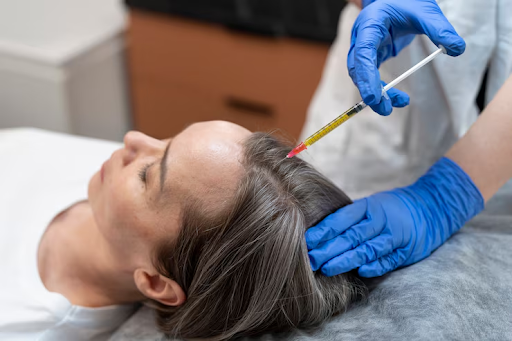
Surgical hair restoration for females requires a highly specialised approach to avoid disrupting their existing hair. A primary concern for many females is the requirement to shave the head before surgery. While traditional male procedures often involve shaving the entire donor and recipient areas, a hair transplant for women frequently utilises non-shaven or partially shaven techniques. Surgeons can discreetly shave small bands in the donor area that are easily hidden by the surrounding longer hair.
Follicular Unit Extraction (FUE) and Follicular Unit Transplantation (FUT) are both viable options, but their application varies. FUT, or the strip method, remains highly popular for female patients. This technique allows the surgeon to harvest a large number of grafts without shaving a wide area of the scalp. The resulting linear scar is easily concealed under longer hair. During the implantation phase, the surgeon must carefully insert the grafts between existing hairs. This process requires extreme precision to prevent “shock loss,” a temporary shedding of existing hair caused by trauma to the surrounding scalp. By customising these methods, specialists can achieve dense, natural results that seamlessly integrate with the patient’s remaining hair.
Modern Approaches to Male Hair Restoration
For male patients, the focus of surgical restoration centres on restoring a youthful yet age-appropriate frame to the face. A successful men’s hair transplant relies heavily on the artistic design of the hairline. Creating a straight, low hairline on an older patient often looks unnatural over time. Instead, surgeons design irregular, slightly recessed hairlines that mimic natural maturation.
FUE is the preferred method for most male patients today, particularly those who prefer to keep their hair short. This technique involves extracting individual follicular units using micro-punches, leaving tiny dot scars that are virtually invisible to the naked eye. This allows men the flexibility to style their hair short without worrying about a visible linear scar. Additionally, surgeons must strategically manage the donor area. Since male pattern baldness can progress over a lifetime, preserving donor grafts for potential future procedures is vital. Clinicians calculate the lifetime donor capacity to ensure that any future hair loss can be addressed, maintaining a balanced and natural look as the patient ages.
Recovery, Expectations, and Growth Timelines
The recovery process and post-operative care are remarkably similar for both genders, requiring patience and adherence to clinical guidelines. Immediately following a hair transplant for women or men, the scalp will experience minor swelling, redness, and tiny scabs around the graft sites. These side effects typically subside within seven to ten days. Patients must avoid strenuous exercise, direct sunlight, and touching the grafts during the initial critical week to ensure optimal survival rates.
A crucial phase that every patient must prepare for is “shedding,” which occurs between two to six weeks after the procedure. The transplanted hairs fall out as the follicles enter a resting phase. This is a completely normal part of the cycle, and the roots remain healthy beneath the skin. New hair growth begins to emerge around the third or fourth month. Initial growth may appear fine and wispy, but it gradually thickens over the subsequent months. Patients generally see significant cosmetic improvement at the six-month mark, with the final, mature results visible between twelve and eighteen months post-surgery.
Final Thoughts
Undergoing hair restoration is a deeply personal decision that can restore lost confidence and revitalise one’s appearance. While the underlying causes and patterns of hair loss differ between genders, modern surgical techniques offer highly effective, customised solutions for everyone. Whether you are considering a men’s hair transplant to restore a receding hairline or a hair transplant for women to address diffuse thinning, success relies on choosing an experienced, qualified surgeon. By understanding the unique requirements of your hair loss pattern and maintaining realistic expectations throughout the recovery timeline, you can achieve a natural-looking, permanent result that enhances your natural features for years to come.