


Have you ever wondered how doctors can spot tiny problems inside the body before symptoms become serious? Medical imaging has transformed modern healthcare by making earlier diagnosis, faster treatment, and better patient outcomes possible. As hospitals embrace smarter technology and patients expect quicker answers, advanced imaging has become one of the most valuable tools in medicine. Better images do far more than confirm a diagnosis. They help doctors make confident decisions that improve care from the very beginning.
Faster Access to Advanced Diagnostic Tools
Healthcare providers today face growing pressure to serve more patients without lowering the quality of care. Aging populations, increasing rates of chronic disease, and higher expectations for faster appointments have pushed hospitals to upgrade diagnostic technology much sooner than they once planned. Financial flexibility has become part of that conversation because replacing imaging systems often requires significant investment. At the same time, healthcare facilities must balance staffing costs, maintenance expenses, and expanding service demands while remaining competitive. Investing in reliable imaging technology allows providers to improve diagnostic accuracy, reduce repeat scans, increase efficiency, and deliver a better overall experience for both patients and clinical teams.
Many healthcare organizations now consider imaging equipment leasing as a practical way to obtain advanced MRI, CT, ultrasound, and digital X-ray systems without delaying upgrades. Instead of relying on outdated machines that may slow diagnosis or reduce image quality, providers can access newer technology while managing budgets more effectively. This approach helps clinics expand services, shorten wait times, and keep pace with changing medical standards without sacrificing patient care.
Earlier Detection Changes Everything
Early diagnosis remains one of the strongest predictors of successful treatment across many diseases. High-resolution imaging can identify tumors, fractures, blood clots, and organ damage long before they become severe enough to produce obvious symptoms. When doctors detect problems early, patients often require less invasive treatment, recover faster, and experience fewer complications.
Recent advances in artificial intelligence have strengthened this advantage by helping radiologists review large numbers of scans with greater speed. AI does not replace experienced physicians, but it highlights suspicious areas that deserve closer attention. This partnership reduces the chance of overlooked findings while allowing specialists to focus their expertise where it matters most.
Better Images Lead to Better Decisions
A clear image gives physicians confidence when deciding the next step in treatment. Whether evaluating heart disease, assessing sports injuries, or planning cosmetic procedures, detailed imaging reduces uncertainty that might otherwise delay important medical decisions. Accurate information also helps avoid unnecessary procedures that carry additional costs and risks.
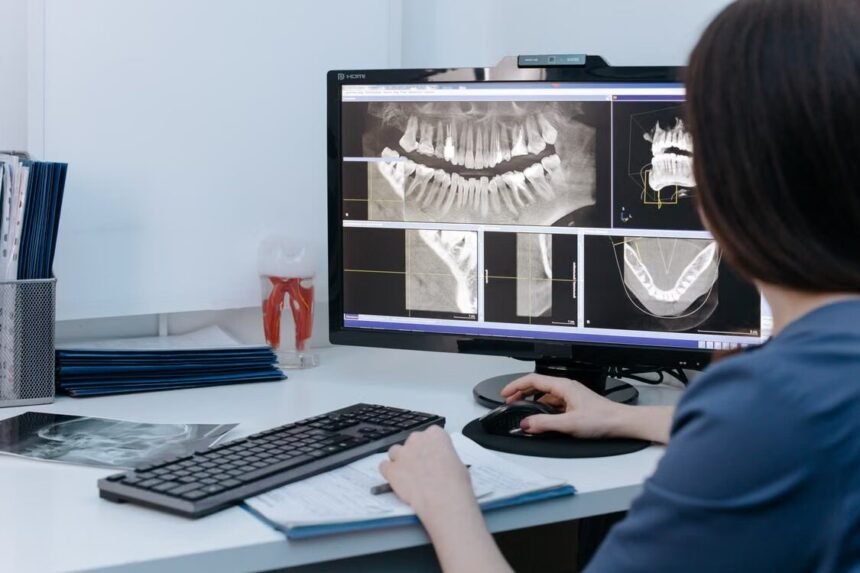
Three-dimensional imaging and improved software allow surgeons to visualize anatomy before entering the operating room. Instead of relying on estimates, they can study precise structures, anticipate challenges, and create personalized treatment plans. Better preparation often translates into shorter surgeries, fewer complications, and smoother recoveries for patients.
Reducing Stress for Patients
Medical imaging is becoming more comfortable as manufacturers design equipment with patient experience in mind. Wider MRI scanners, quieter machines, and faster scanning times help reduce anxiety for children, older adults, and people who experience claustrophobia. Small improvements in comfort often make a significant difference during stressful medical visits.
Clear communication also improves the experience. Digital platforms allow physicians to review images with patients during appointments, making diagnoses easier to understand. Instead of hearing complicated medical terms without context, patients can see what doctors see, encouraging informed discussions and greater confidence in treatment decisions.
Smarter Technology Supports Healthcare Teams
Medical imaging is no longer limited to producing pictures. Modern systems integrate with electronic health records, allowing specialists across different departments to access images almost instantly. Emergency physicians, surgeons, oncologists, and primary care providers can review the same information without waiting for physical files or repeated examinations.
Remote reading has become increasingly valuable, especially after healthcare systems expanded telemedicine induring recent years. Radiologists can interpret scans from different locations while hospitals continue providing around-the-clock diagnostic services. This flexibility helps smaller communities gain access to specialized expertise that was once available only in larger medical centers.
Improving Safety Alongside Accuracy
Advances in imaging technology have focused not only on producing sharper pictures but also on protecting patients. Modern CT scanners often deliver lower radiation doses than older equipment while maintaining excellent image quality. Software improvements reduce unnecessary exposure without compromising diagnostic accuracy, an important benefit for patients who require repeated scans.
Healthcare providers also use imaging to guide minimally invasive procedures with remarkable precision. Real-time ultrasound and fluoroscopy help physicians place needles, catheters, and surgical instruments exactly where they are needed. Greater accuracy reduces damage to surrounding tissue, shortens recovery periods, and lowers the risk of complications following treatment.
Personalized Care Starts With Better Data
Advanced imaging is making personalized medicine more practical because physicians can tailor treatment using detailed information from each patient rather than relying on general guidelines alone. Imaging helps monitor how tumors respond to therapy, measures changes in heart function, and tracks healing after surgery with remarkable precision.
These regular assessments allow doctors to adjust medications, recommend different therapies, or avoid unnecessary interventions before problems worsen. Instead of following a one-size-fits-all approach, healthcare teams can make decisions based on real-time evidence, improving outcomes while giving patients greater confidence that their treatment plan reflects their individual needs.
The Future Is Clearer Than Ever
Medical imaging continues to evolve alongside broader advances in artificial intelligence, cloud computing, and personalized medicine. Researchers are developing systems capable of identifying subtle disease patterns that may escape even highly trained eyes, while portable devices are expanding access to diagnostic care in underserved communities. Technology is steadily bringing expert-level imaging closer to patients wherever they live.
The greatest value of these innovations lies not in the machines themselves, but in the lives they improve every day. Earlier answers, more accurate diagnoses, safer procedures, and better communication all contribute to stronger patient outcomes. As healthcare continues to modernize, imaging technology will remain one of the most powerful tools for delivering faster, smarter, and more compassionate care.