



Moving large assets across international borders requires meticulous planning and an understanding of complex maritime logistics. For boat owners, securing reliable yacht transport to Australia represents the first step in enjoying the country’s pristine coastlines and world-class harbours. Similarly, automotive enthusiasts often look overseas to source unique vehicles, making the decision to import cars from Japan a popular choice. Both processes involve meeting strict biosecurity standards, customs duties, and specialised shipping methods. This guide breaks down the essential requirements for importing yachts and vehicles, helping you prepare for a seamless transition. By understanding the regulations and choosing the right logistics partners, you can avoid costly delays and ensure your assets arrive safely.
Managing Yacht Transport Logistics
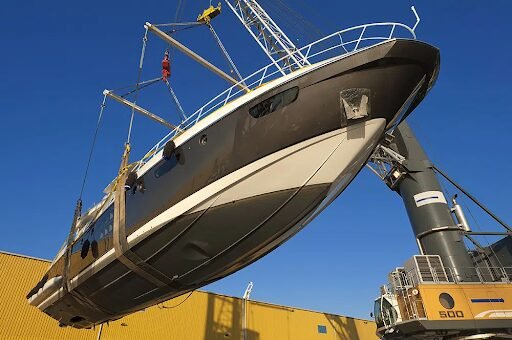
Shipping a vessel across oceans requires specialised heavy-lift equipment and experienced marine engineers. When planning yacht transport to Australia, owners must choose between several transit methods depending on the vessel’s size and hull design. The most common method is lift-on/lift-off (LoLo), where cranes lift the yacht directly from the water or dock onto the deck of a specialised cargo ship. Once on board, crew members secure the vessel into a custom-built cradle to prevent movement during transit.
Alternative Transit Methods
For larger superyachts, float-on/float-off (FloFlo) services offer a semi-submersible vessel that sinks its deck, allowing yachts to sail directly on board before the carrier pumps out the ballast tanks. Alternatively, roll-on/roll-off (RoRo) shipping suits smaller trailerable boats, which operators tow onto enclosed decks. Regardless of the chosen method, transit routes from Europe, the Americas, or Asia typically take several weeks. It is vital to work with an experienced freight forwarder who coordinates the entire journey, including marine surveyor inspections, cradle fabrication, and port-to-port scheduling. Proper preparation, such as securing loose items and draining water tanks, protects your investment from the harsh offshore environment during its journey to Australian waters. Additionally, securing comprehensive marine cargo insurance is a non-negotiable step that covers potential transit risks.
Meeting Australian Biosecurity and Customs Standards
Australia maintains some of the strictest biosecurity laws globally to protect its unique marine and terrestrial ecosystems. Any vessel arriving via yacht transport to Australia undergoes rigorous inspections by the Department of Agriculture, Fisheries and Forestry (DAFF). Inspectors search for exotic pests, biofouling, and contaminated water. To pass these inspections, you must thoroughly clean the hull, remove barnacles, and treat the internal plumbing systems before departure. Failing a biosecurity inspection results in expensive cleaning fees and quarantine delays at the port of entry.
Customs Duties and Valuations
Beyond quarantine, importers must address financial obligations with the Australian Border Force. Customs duty and the Goods and Services Tax (GST) apply to most imported vessels, calculated based on the customs value of the yacht plus shipping and insurance costs. For high-value luxury yachts, the Luxury Car Tax (LCT) might also apply if the vessel meets certain criteria. Engaging a licensed customs broker simplifies this process, as they prepare the necessary import declarations and ensure accurate valuation. Preparing your documentation early, including purchase receipts, builder’s certificates, and previous registration papers, prevents administrative hold-ups at the border. This proactive approach ensures that your vessel clears customs smoothly, allowing you to commence your Australian sailing adventures without unnecessary administrative stress.
The Appeal of Importing Vehicles from Japan
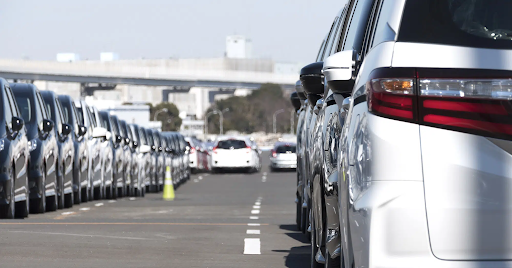
While maritime enthusiasts focus on the seas, many Australian motorists look to the roads, seeking high-quality vehicles from international markets. The decision to import cars from Japan remains highly popular due to the excellent condition, low mileage, and unique specifications of Japanese domestic market (JDM) models. Japan’s strict vehicle inspection system, known as Shaken, makes owning older cars expensive for local residents, leading to a steady supply of well-maintained vehicles for export.
Compliance and Australian Standards
Whether you seek a classic sports car, a fuel-efficient hybrid, or a specialised campervan, the Japanese market offers diverse options that are often unavailable locally. However, the process involves more than simply winning an online auction. Importers must comply with the Road Vehicle Standards Act (RVSA), which regulates the entry of road vehicles into Australia. This framework requires obtaining import approval before the vehicle leaves Japan. Working with a registered Specialist and Enthusiast Vehicle Scheme (SEVS) workshop ensures the car meets Australian design rules. These workshops perform necessary modifications, such as installing child restraint anchorages, updating speedometers, and replacing tyres, guaranteeing the vehicle is fully roadworthy and eligible for local registration. Consequently, partnering with a knowledgeable import agent streamlines the purchasing, shipping, and compliance phases of the journey.
Shipping and Compliance for Imported Vehicles
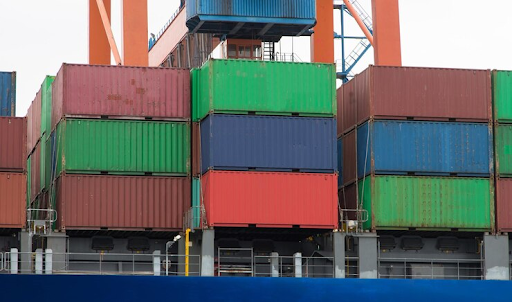
Once you secure import approval, the vehicle must travel safely across the ocean. When you import cars from Japan, you generally choose between Roll-on/Roll-off (RoRo) and containerised shipping. RoRo is the most cost-effective method, where operators drive the vehicle onto a specialised vessel and secure it inside a weather-protected deck. Container shipping, while more expensive, provides extra security and allows you to transport spare parts alongside the vehicle.
Managing Quarantine Risks for Vehicles
Similar to yacht imports, vehicles face strict biosecurity checks upon arrival in Australia. Cars must be completely free of soil, seeds, and organic debris, which requires a professional steam cleaning before export. Furthermore, Australian regulations strictly prohibit the importation of asbestos. Older Japanese vehicles often contain asbestos in brake pads, gaskets, or clutch components. Importers must obtain a certified asbestos-free report from an approved testing facility before shipping. If inspectors detect asbestos at the Australian port, the vehicle faces seizure, mandatory testing, and expensive remediation processes. Ensuring your vehicle undergoes thorough pre-shipment cleaning and testing protects you from these severe penalties and guarantees a successful import experience. Additionally, keeping detailed records of all pre-export cleaning services provides vital evidence during the customs clearance process.
Conclusion
Bringing high-value assets like yachts and vehicles into Australia is a rewarding venture that requires careful management of international logistics and local regulations. Whether you are arranging yacht transport to Australia or planning to import cars from Japan, success depends on thorough preparation and compliance. From understanding biosecurity cleaning standards to managing customs duties and transport logistics, every step requires attention to detail. Partnering with experienced customs brokers, freight forwarders, and compliance specialists mitigates risks and ensures a seamless transition. By investing time in proper planning and adhering to Australian import laws, you can protect your valuable investments and enjoy your new acquisitions on Australian waters and roads.