



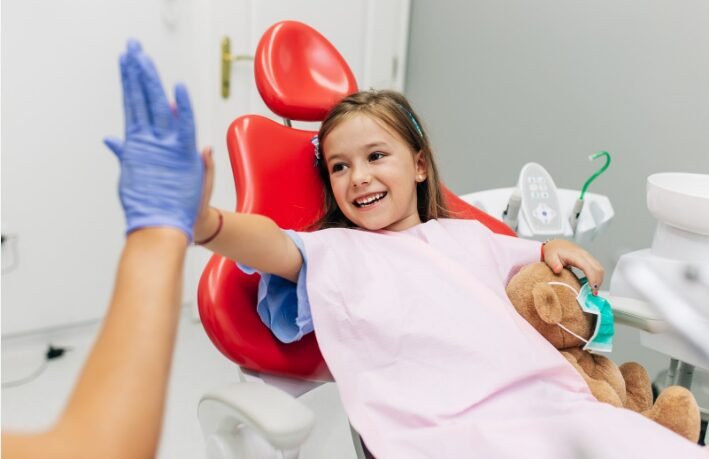
Ensuring that children develop healthy, positive dental experiences from a young age can shape their attitudes toward oral health throughout their lives. Dental anxiety is common among kids, and overcoming this early is key to long-term health. There are several techniques that parents can use to ease children’s nerves and make dental check-ups routine. Getting started with reputable providers, like orlando dental implants, can also set the tone for comfort and trust in dental care.
Early emphasis on a positive approach, at-home preparation, and the right professional can greatly reduce the fear or uncertainty many children experience with dental visits. Building this foundation encourages kids to embrace healthy habits for life, while helping parents feel confident navigating the challenges of pediatric oral care.
Start Early
Making dental care a normal part of childhood right from the start helps reduce fear while promoting healthy habits. The American Academy of Pediatric Dentistry recommends a child’s first dental visit by age one, or within six months after their first tooth appears. Early exposure to a dental environment can prevent issues, but just as importantly, it helps children become comfortable with check-ups as routine events. For additional information on building oral health habits from a young age, check out resources from HealthyChildren.org.
Choose the Right Dentist
Selecting a pediatric dentist, rather than a general dentist, ensures your child is seen by a professional with specialized training for kids. Pediatric dentists understand childhood anxieties and developmental stages and cultivate a welcoming environment, often with themed décor or toys. For families with children with special needs, many pediatric offices offer sensory accommodations like dim lighting or calming rooms. Such thoughtful touches can make visits more pleasant and foster trust between child and provider.
Prepare at Home
Before a dental appointment, talking through what will happen can do wonders to demystify the process. Resources such as children’s books or age-appropriate videos allow kids to see dental visits as positive. Parents can also role-play visits at home, taking turns being the “dentist” and “patient.” Walk your child through brushing, examination, and gentle cleaning so they know what to expect. This familiarization helps to eliminate surprises and reduce anxiety.
Use Positive Language
Avoid words that might raise alarm, such as “pain,” “hurt,” “shot,” or any mention of potential discomfort. Instead, emphasize words and phrases like “strong teeth,” “healthy smile,” and “helping your teeth stay clean and bright.” Frame dental care as something that supports their well-being, not something to fear. This shift in dialogue reinforces positive associations that last into adulthood.
Schedule Wisely
Timing is critical for a successful visit. Book appointments when your child is most likely to be well-rested and in a good mood, such as right after breakfast or a nap. Avoid times when your child would usually be sleepy or hungry, as this can amplify anxiety or lead to uncooperative behavior. Being proactive about timing can make the visit run more smoothly and leave a more positive impression.
Bring Comfort Items
Familiar comfort items, such as a beloved stuffed animal or soft blanket, can provide reassurance in the unfamiliar dental office. Many dental practices will encourage children to bring these items, recognizing their value in calming nerves. Some offices also provide fidget toys or sensory-friendly options, further aiding in relaxation and cooperation during treatment.
Implement a Reward System
Incentivize positive behavior by offering small, meaningful rewards after a successful dental visit. This could range from stickers to extra playground time, or getting to choose a fun family activity. The reward should always highlight the achievement of facing fears or behaving bravely at the appointment, reinforcing the idea that positive experiences are celebrated.
Lead by Example
Children often mirror parental attitudes and reactions. When parents express calm and positive beliefs about their own dental care, children observe and carry those expectations forward. Schedule and attend your own check-ups regularly and share positive stories about your dentist. Children who see dental care as a family priority are more inclined to view it normally and comfortably.
Parents can play an influential role in crafting their children’s dental experiences. By being present, preparing thoughtfully, and remaining positive, parents help reduce dental anxiety and build lifelong healthy habits. Your commitment to their comfort and health can be the foundation for years of bright, confident smiles.
Establishing Consistent Routines
One of the most impactful elements in reducing dental anxiety is the establishment of consistent routines around oral hygiene and dental visits. Just as children benefit from regular bedtime or meal routines, knowing when and how dental care will happen fosters a sense of predictability and reduces anxiety about the unknown. Setting up reminders or visual schedules for brushing and flossing, and marking dental appointment dates on a family calendar, can allow children to anticipate and prepare for these events. Create rituals around these routines to make them fun, such as playing a favorite song during toothbrushing or tracking progress with a reward chart. These small, repeated actions teach the importance of oral health and can help turn what might feel like chores into daily habits children look forward to.
Communicate with the Dental Team
Open communication with your child’s dental team enhances the quality of each visit and addresses specific concerns your child may have. Do not hesitate to share information with the dentist about your child’s personality, fears, or previous medical experiences. Many pediatric dentists and their staff are trained to use “tell-show-do” methods, in which they first explain a procedure in child-friendly language, demonstrate the procedure on a toy or model, and only then perform the actual step. If your child is particularly anxious, ask if your provider offers options such as nitrous oxide (laughing gas) or sedation dentistry for more invasive procedures. Collaboration between the parent, child, and dental team makes the experience collaborative, transparent, and more secure for the child. Over time, establishing trust and good communication will build confidence, ensuring each visit is better than the last.