



Dental implants can restore chewing function and appearance after tooth loss, but they still require consistent care and professional monitoring. If an implant becomes painful, swollen, loose, or difficult to chew on, finding a failing dental implants solution begins with identifying which part of the implant system is affected.
Prompt attention does not necessarily mean the implant has failed. A problem may involve the visible crown, a connecting screw, the bite, gum tissue, or the bone supporting the implant. An in-person dental examination is the safest way to distinguish a minor repair from a more involved concern.
Understand The Parts Of A Dental Implant
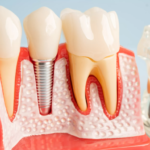
A dental implant is more than the tooth-colored crown visible above the gumline. It usually includes an implant body placed in the jawbone, an abutment that connects the implant to the restoration, and a crown, bridge, or denture. The implant body, abutment, and fixation screw can each develop different concerns, which is why symptoms alone cannot confirm the cause.
An implant may not feel exactly like a natural tooth because it lacks the same ligament and nerve structure. Still, it should not cause persistent pain, progressive tenderness, unusual movement, or worsening changes in the gums.
Warning Signs That Deserve A Checkup
Some symptoms point to irritation, infection, excessive bite pressure, or a mechanical issue. Contact a dentist if you notice any of the following:
- Persistent pain or pressure around the implant.
- Redness, swelling, bleeding, or tenderness near the gumline.
- Pus, drainage, or a recurring bad taste.
- Gum recession that exposes more of the restoration or implant area.
- New difficulty chewing or a bite that suddenly feels uneven.
- A crown that shifts, clicks, rotates, or feels loose.
- Numbness, tingling, or altered sensation in the lip, chin, or jaw.
Facial swelling, fever, trouble swallowing, or breathing difficulty warrant urgent medical attention. Do not try to tighten a screw, glue a crown back into place, or repeatedly wiggle an implant at home.
A Loose Crown Is Not Always A Failed Implant
Movement can be alarming, but the source matters. A crown may loosen due to cement failure, wear, or a loose abutment screw, while the implant body remains stable in the bone. In other cases, the implant body itself may move, requiring a different evaluation and potentially involving changes in surrounding bone or tissue.
For example, a person may feel a slight shift while eating, yet the dental professional may find that only the crown or connecting component needs repair. Imaging, bite assessment, and gum examination help determine what is actually moving.
Factors That Can Affect Implant Stability
Complications are rarely caused by just one issue, and they are not automatically a sign that someone neglected their oral health. Common contributing factors include untreated gum disease, difficult-to-clean restoration designs, smoking or nicotine use, teeth grinding, heavy bite forces, mouth trauma, delayed healing, and changes in bone or gum tissue.
Overall health also matters. Poorly controlled diabetes and other conditions that affect healing may influence risk. Grinding can apply repeated forces to the restoration, while inflammation around the implant may weaken the tissues that support it. Addressing both mechanical and biological factors is often more effective than focusing on one symptom.
What Peri-Implant Disease Can Look Like
Peri-implant disease refers to inflammation of the tissues around an implant. Peri-implant mucositis affects the soft gum tissue and may be reversible when addressed early. Peri-implantitis is more advanced and can involve loss of the bone supporting the implant.
Bleeding during brushing, swelling, redness, tenderness, recession, and drainage can be warning signs. Some people have few noticeable symptoms, however, which makes regular maintenance appointments important. A 2025 systematic review of 102 studies involving 13,030 patients found that peri-implant conditions were common enough to warrant prevention and follow-up, and noted that prevalence estimates vary by disease definitions, patient populations, and study methods. The review of peri-implant disease risk factors also identified prior periodontitis, smoking, diabetes, and certain lifestyle factors as important considerations.
What Happens During A Professional Evaluation
A dental professional typically reviews your symptoms, implant history, medications, and health conditions before checking the crown, gums, bite, nearby teeth, and implant area. Dental X-rays or other imaging may be used to evaluate bone levels and compare current findings with earlier records.
The goal is to identify whether the concern involves the restoration, connecting parts, gum tissue, bone, or the implant body. This cause-focused approach helps avoid treating only the most visible symptom.
Treatment Depends On The Cause
Care may range from professional cleaning and improved home-care techniques to a bite adjustment, night guard, crown repair, or replacement of a loose connecting component. If infection or bone loss is present, treatment may involve cleaning and managing affected tissue, surgical therapy, or regenerative procedures when appropriate.
When an implant cannot be stabilized, removal may be necessary. That does not automatically rule out future replacement. Bone or soft-tissue treatment, healing time, and a revised treatment plan may make another restoration possible for some patients.
Daily Habits That Support Long-Term Care
- Brush twice daily with a soft-bristle toothbrush.
- Clean between teeth and around the implant using the method recommended for your restoration.
- Attend routine dental cleanings and implant maintenance visits.
- Avoid chewing ice, opening packages with teeth, or biting hard objects.
- Ask about a night guard if you clench or grind your teeth.
- Seek qualified support if you smoke or use nicotine products.
Prepare For A Productive Appointment
Bring a list of medications, relevant health conditions, and prior dental treatment details. Useful questions include: Which part of the implant system is affected? Is there infection or bone loss? What may have caused the issue? Can it be repaired? What are the benefits, risks, costs, and expected timeline for each option?
When A Second Opinion May Help
A second opinion can be useful when the diagnosis is unclear, a major procedure is recommended, or several reasonable options are available. Bring available X-rays, treatment records, and implant brand information so the consulting clinician can give a more informed assessment.
Conclusion
Dental implants can function well for many years, but they are not maintenance-free. Pain, bleeding, swelling, drainage, bite changes, or movement are signals to schedule a professional evaluation. Early care can clarify the cause, protect surrounding tissues, and help preserve the widest range of treatment options.