


Key Takeaways
- Clear aligners and braces can both straighten teeth and address certain bite concerns, but they are not interchangeable for every patient.
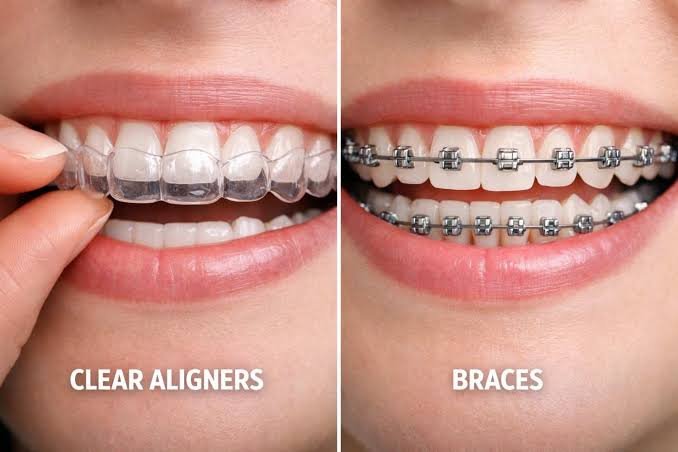
- Aligners are removable and usually less noticeable, while braces stay on the teeth and do not require remembering to put the trays back in.
- Complex tooth movement, significant crowding, and some bite issues may call for the control braces can provide.
- The best option depends on an orthodontic examination, treatment goals, oral health, and everyday habits.
- Before starting, ask about the complete fee, expected visits, refinements, retainers, and what happens if the original plan changes.
Families and adults in Little Rock often compare clear aligners and braces because treatment affects far more than a smile. It can shape school-day routines, work meetings, meals out on South Main, travel, sports, brushing habits, and confidence in photos. Neither option is automatically the right choice for every person.
For patients who want local guidance, an orthodontist in Little Rock at Wardlaw Orthodontics can help compare braces and Invisalign treatment through an in-person consultation and individualized planning. The practice’s Little Rock office focuses on orthodontic care and clear aligner treatment, and Wardlaw Orthodontics also serves patients from nearby Conway and Central Arkansas, making it a relevant local resource for families weighing appearance, function, and follow-up care.
Why This Choice Deserves a Closer Look
It is easy to focus on whether trays look less visible than brackets. Appearance matters to many teens and adults, but an orthodontic decision should also account for how teeth meet, how easily they can be cleaned, the movements required, and whether the patient can follow the daily plan. A good result should support both tooth alignment and a functional bite.
Little Rock’s busy family schedules can make routine especially important. An option that seems ideal on the first day may be harder to manage during school activities, long workdays, restaurant meals, or weekend trips. The most practical treatment is usually the one that fits the patient’s clinical needs and can be followed consistently.
How Clear Aligners and Braces Work
Clear Aligners
Clear aligners use a series of custom-made removable trays that apply gentle, controlled pressure to the teeth over time. Patients change to the next set on the schedule provided by their orthodontic team. Some cases also use small tooth-colored attachments to give the trays a better grip and help guide specific movements.
Traditional Braces
Braces use brackets attached to the teeth and an archwire that guides movement. The appliance stays in place throughout active treatment, so it continues working between appointments. Depending on the treatment plan, braces may also include elastics or other appliances to help correct the relationship between the upper and lower teeth.
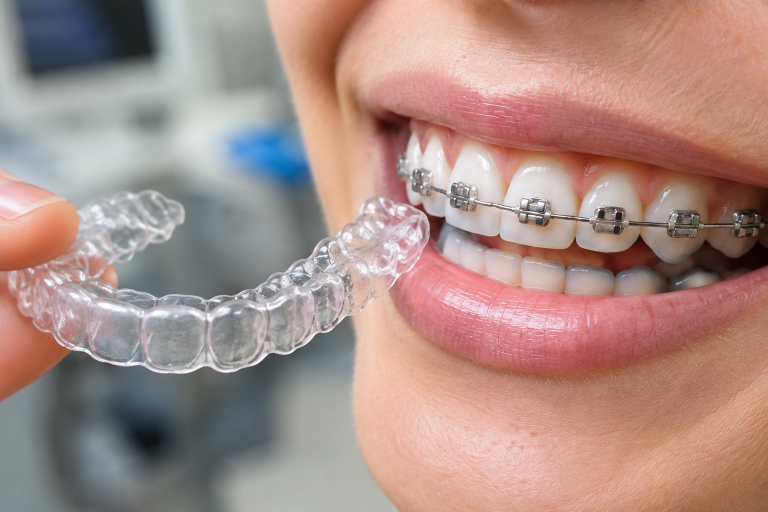
The American Association of Orthodontists describes braces, aligners, retainers, archwires, and elastics as tools that serve different roles in customized orthodontic care. That distinction matters because the appliance should follow the diagnosis, rather than the other way around.
Which Option Fits Different Treatment Needs?
Mild crowding, small gaps, and limited alignment concerns may be treatable with either braces or aligners. However, some cases need more precise control. Significant crowding, major tooth rotations, teeth that need to move vertically, extraction-based treatment, or complex bite concerns may lead an orthodontist to recommend braces or another approach.
A useful comparison includes the following:
- Visibility: Aligners are generally less noticeable. Braces are more visible, although ceramic brackets may be an option for some patients.
- Removability: Aligners come out for meals and brushing. Braces remain attached until treatment is complete.
- Daily responsibility: Aligners require consistent wear and careful storage. Braces reduce the risk of forgetting an appliance, but require avoiding foods that can damage brackets or wires.
- Cleaning: Aligners are removed before brushing and flossing. Braces take extra attention around brackets and wires.
- Complex movement: Both may be effective in selected cases, but braces can offer dependable control for many difficult movements.
The Daily Routine Matters More Than Many People Expect
Clear aligners are commonly prescribed to be worn for most of the day, often about 20 to 22 hours. They must be removed for meals and should be cleaned regularly. If trays are left out for extended periods or frequently misplaced, teeth may not move as planned, and treatment may require additional time or new trays.
Consider a student moving between classes, athletics, and after-school activities, or an adult with client lunches and frequent meetings. That person may appreciate the appearance and removability of aligners, but must be comfortable managing them throughout the day. Braces can be simpler for someone who would rather not track wear time, though they require careful food choices and cleaning.
Comfort, Speech, Food, and Hygiene
Both options can create temporary pressure when treatment begins or changes. Aligners may cause a short adjustment period for speech, while braces can cause cheek irritation or soreness after an adjustment. Orthodontic wax can help protect soft tissues from a rough edge, and patients with aligners should use only the cleaning method recommended by their provider.
Brushing twice daily, cleaning between teeth, and attending regular dental checkups remain important with either option. With braces, patients need to clean around brackets and wires. With aligners, teeth should be brushed before trays go back in after meals whenever possible.
Cost Questions to Ask Before Starting
An advertised starting price does not always represent the total cost of orthodontic care. Ask for a written explanation of what the estimate includes, then compare plans based on both treatment support and price.
- What is the total treatment fee?
- Are digital scans, appointments, refinements, and emergency visits included?
- Are retainers included after active treatment?
- How often will follow-up appointments be needed?
- What happens if teeth do not track as expected or a bracket breaks?
- How do insurance benefits, payment plans, and flexible spending accounts apply?
Why an In-Person Evaluation Still Matters
Photos and online questionnaires can be useful starting points, but they cannot replace a full orthodontic evaluation. A clinician may need to assess the bite, gums, tooth roots, jaw relationship, existing fillings or crowns, and the amount of space available before recommending a treatment method. A digital preview may look appealing, but it should not be the only basis for a decision about tooth movement.
Questions Patients Commonly Ask
Are clear aligners better than braces?
Not universally. The better option is the one that can address the patient’s specific concerns and fits the patient’s ability to follow the plan.
Do braces work faster than aligners?
Timelines vary. Complexity, missed appointments, inconsistent aligner wear, broken appliances, and the way teeth respond to treatment can all affect progress.
Can adults choose either option?
Many adults are candidates for orthodontic treatment, but age alone does not determine whether braces or aligners are appropriate.
What happens after treatment?
Retainers are typically needed after braces or aligners because teeth can shift over time. Ask how long retainers should be worn and how replacement retainers are handled.
A Simple Decision Checklist
- Schedule a complete orthodontic evaluation.
- Ask which options can address the exact alignment and bite concerns.
- Decide honestly whether consistent aligner wear fits daily life.
- Compare eating, cleaning, comfort, appearance, and visit schedules.
- Request a complete financial estimate and expected treatment timeline.
- Ask about retainers, refinements, repairs, and future follow-up.
Conclusion
Clear aligners and braces both have an important place in modern orthodontic care in Little Rock, Arkansas. The best choice is not necessarily the least visible or the lowest-priced option. It is the treatment approach that supports healthy movement, realistic daily habits, and long-term retention. A thorough consultation gives patients the information needed to make that choice with confidence.